

Obtaining an ICP (Internet Content Provider) license is critical for any business looking to operate a website in China. This process involves several key steps, including preparing necessary documentation, partnering with local entities, and navigating China’s unique bureaucratic challenges. Compliance with local regulations is mandatory, and the license must be renewed and updated regularly. While the process can be complex, understanding and adhering to these requirements is essential for successfully hosting and operating websites within China's digital landscape.
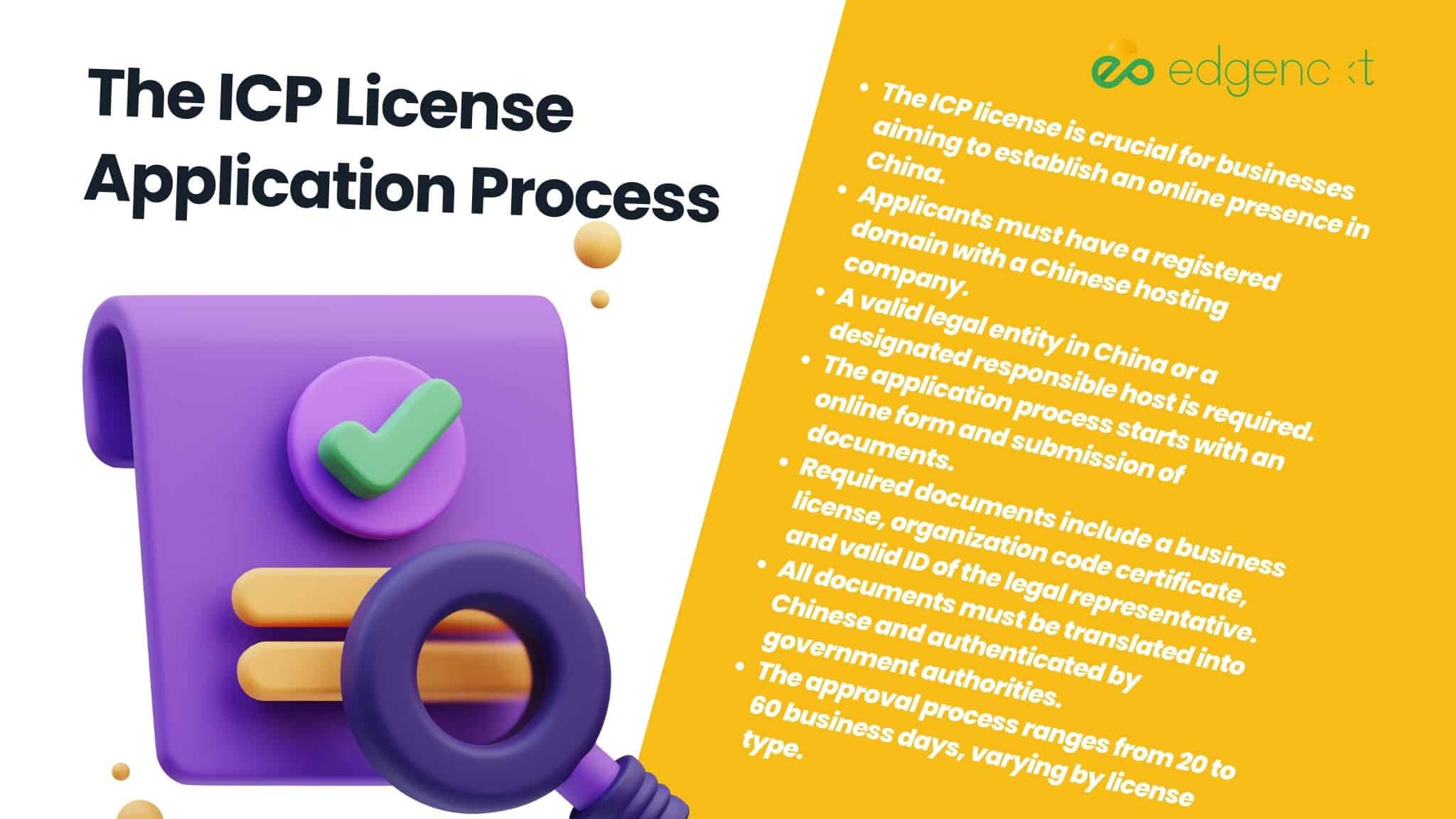 Obtaining an ICP license can be complex and time-consuming, but it is essential for businesses looking to establish a solid online presence in China. To apply for an ICP license, applicants must ensure they have a registered domain name with a Chinese hosting company. They must also have a valid legal entity in China or a designated host who will be responsible for the website's content and operations.
Once these prerequisites are met, applicants can begin the application process by filling out an online form and submitting the required documentation, including a business license, organization code certificate, and a valid ID of the legal representative. It is important to note that all documents must be translated into Chinese and authenticated by government authorities. The approval process typically takes anywhere from 20 to 60 business days, depending on the type of ICP license being applied for.
Obtaining an ICP license can be complex and time-consuming, but it is essential for businesses looking to establish a solid online presence in China. To apply for an ICP license, applicants must ensure they have a registered domain name with a Chinese hosting company. They must also have a valid legal entity in China or a designated host who will be responsible for the website's content and operations.
Once these prerequisites are met, applicants can begin the application process by filling out an online form and submitting the required documentation, including a business license, organization code certificate, and a valid ID of the legal representative. It is important to note that all documents must be translated into Chinese and authenticated by government authorities. The approval process typically takes anywhere from 20 to 60 business days, depending on the type of ICP license being applied for.
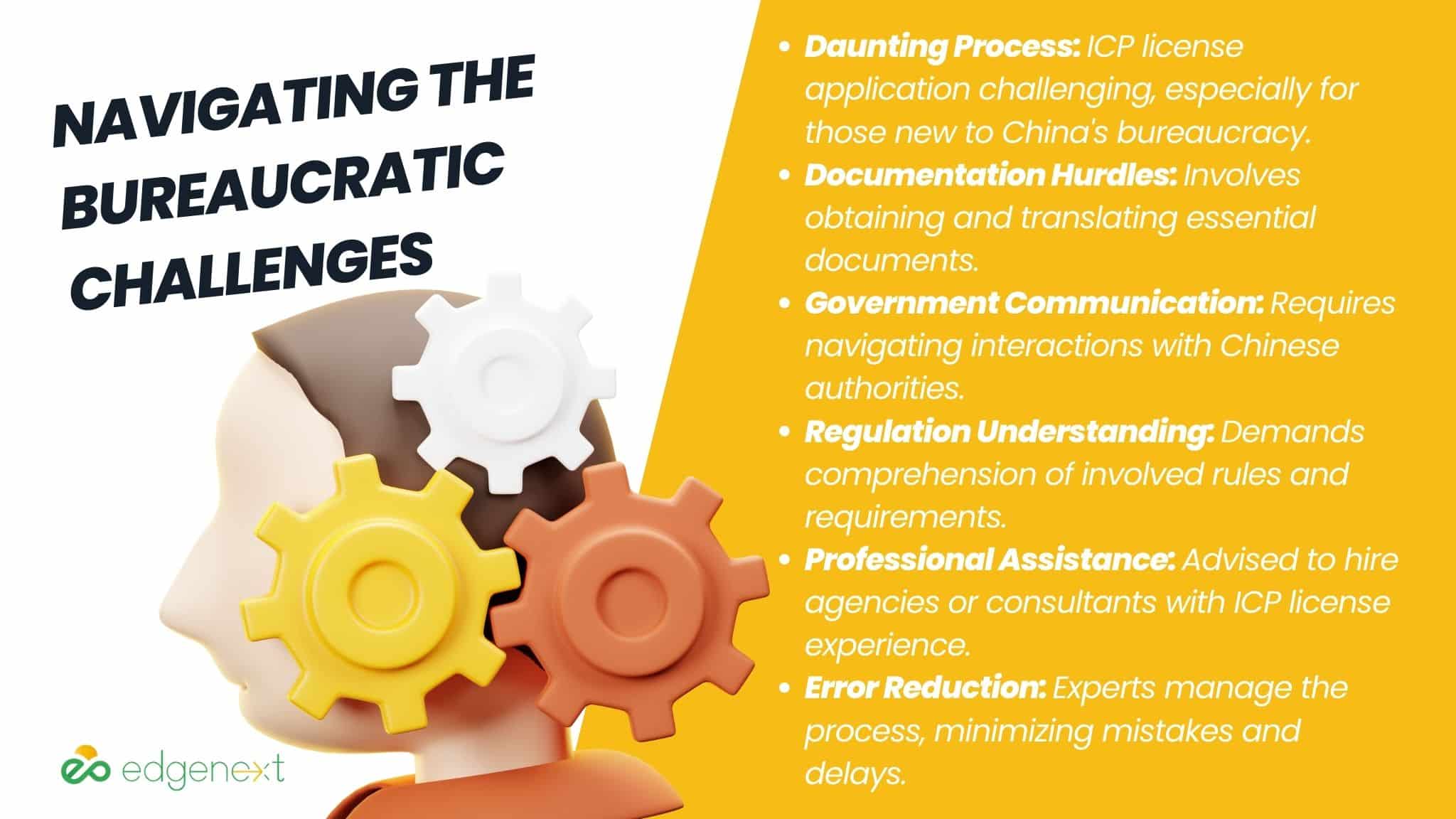 The application process for an ICP license can be daunting, especially for businesses unfamiliar with the bureaucratic processes in China. Some common challenges include obtaining and translating necessary documents, navigating communication with government authorities, and understanding the regulations and requirements involved.
To streamline the approval process, seeking assistance from a professional agency or consultant with experience obtaining ICP licenses is recommended. They can provide guidance and handle the application process on behalf of the company, reducing the chances of errors or delays. Building a good relationship with government authorities and providing detailed and accurate information in the application can also help expedite the approval process.
The application process for an ICP license can be daunting, especially for businesses unfamiliar with the bureaucratic processes in China. Some common challenges include obtaining and translating necessary documents, navigating communication with government authorities, and understanding the regulations and requirements involved.
To streamline the approval process, seeking assistance from a professional agency or consultant with experience obtaining ICP licenses is recommended. They can provide guidance and handle the application process on behalf of the company, reducing the chances of errors or delays. Building a good relationship with government authorities and providing detailed and accurate information in the application can also help expedite the approval process.
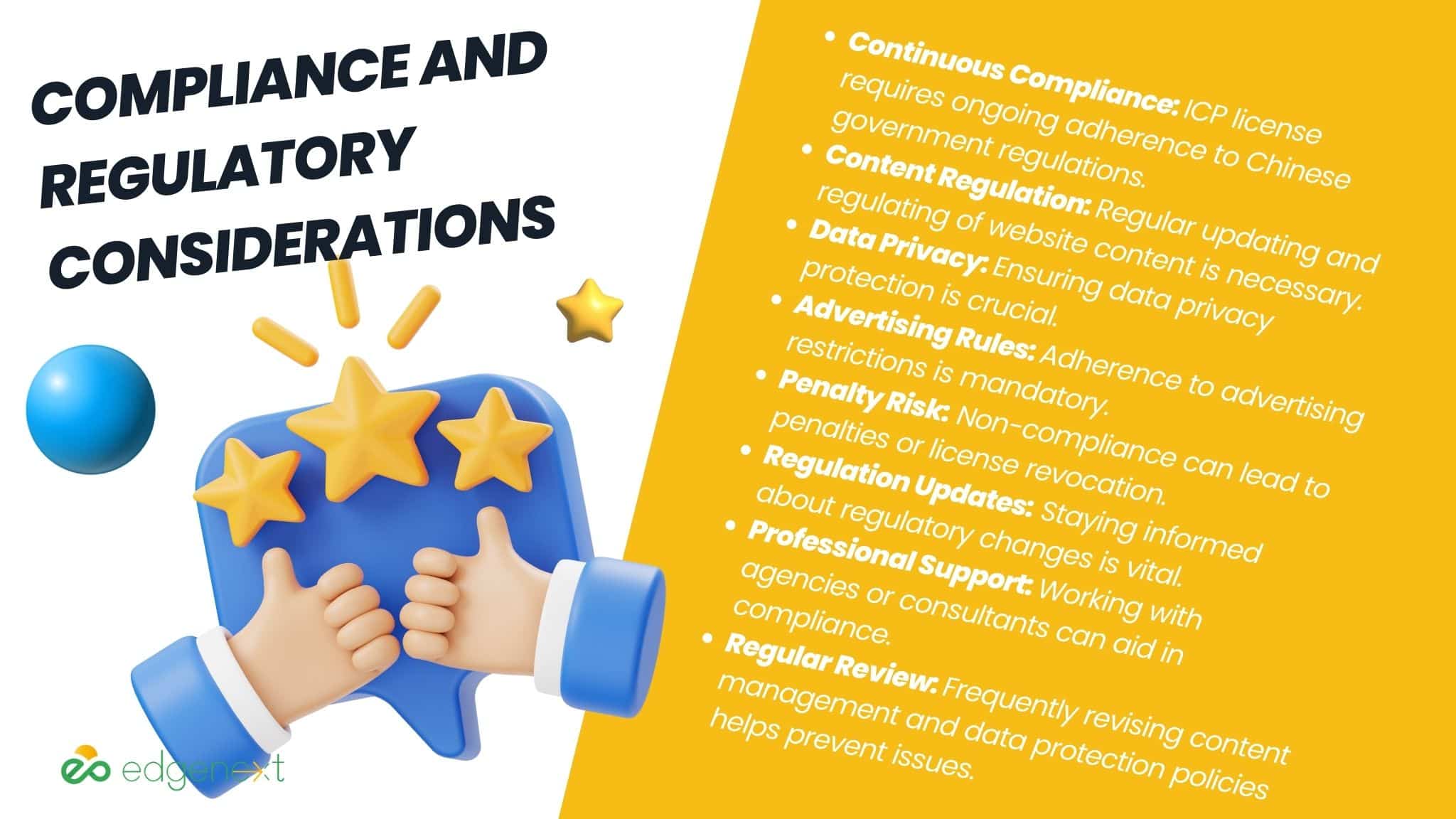 Obtaining an ICP license is not a one-time process, as businesses must maintain ongoing compliance with the regulations set by the Chinese government. This includes regularly updating and regulating website content, protecting data privacy, and adhering to advertising restrictions. Failure to comply with these regulations can result in penalties or even revocation of the ICP license.
To ensure ongoing compliance, staying updated on any changes or updates in regulations is crucial. Working with a professional agency or consultant can help navigate these requirements and avoid potential violations. Additionally, regularly reviewing policies and procedures for content management and data protection can help maintain compliance and prevent issues with the ICP license.
Obtaining an ICP license is not a one-time process, as businesses must maintain ongoing compliance with the regulations set by the Chinese government. This includes regularly updating and regulating website content, protecting data privacy, and adhering to advertising restrictions. Failure to comply with these regulations can result in penalties or even revocation of the ICP license.
To ensure ongoing compliance, staying updated on any changes or updates in regulations is crucial. Working with a professional agency or consultant can help navigate these requirements and avoid potential violations. Additionally, regularly reviewing policies and procedures for content management and data protection can help maintain compliance and prevent issues with the ICP license.
Introduction
The digital landscape in China has seen explosive growth in recent years, with a large percentage of the population having access to the internet. With such a vast market, it is no surprise that businesses and organizations are eager to establish an online presence in China. However, this can be a daunting task due to the country's strict regulations on internet content. To legally host a website in China, companies must obtain an ICP license. In this guide, we will navigate the complexities of obtaining an ICP license and provide valuable insights for businesses looking to expand into the Chinese market.What is an ICP License?
An ICP (Internet Content Provider) license is a certificate issued by the Chinese government that allows individuals or organizations to host a website in China legally. There are two types of ICP licenses: ICP Filing and ICP Commercial License. ICP Filing is required for all websites hosted within China, including those with commercial and non-commercial purposes. Smaller businesses or personal websites typically use this type of license. ICP Commercial License, on the other hand, is required for websites that engage in e-commerce activities or generate revenue through advertisements. This license type is more difficult to obtain and involves stricter regulations and requirements. To comply with Chinese laws and regulations regarding online content, an ICP license is mandatory for any website hosted in China. Failure to obtain an ICP license can result in fines, penalties, and even the website shutdown.The ICP License Application Process
Obtaining an ICP license can be complex and time-consuming, but it is essential for businesses looking to establish a solid online presence in China. To apply for an ICP license, applicants must ensure they have a registered domain name with a Chinese hosting company. They must also have a valid legal entity in China or a designated host who will be responsible for the website's content and operations.
Once these prerequisites are met, applicants can begin the application process by filling out an online form and submitting the required documentation, including a business license, organization code certificate, and a valid ID of the legal representative. It is important to note that all documents must be translated into Chinese and authenticated by government authorities. The approval process typically takes anywhere from 20 to 60 business days, depending on the type of ICP license being applied for.
Navigating the Bureaucratic Challenges
The application process for an ICP license can be daunting, especially for businesses unfamiliar with the bureaucratic processes in China. Some common challenges include obtaining and translating necessary documents, navigating communication with government authorities, and understanding the regulations and requirements involved.
To streamline the approval process, seeking assistance from a professional agency or consultant with experience obtaining ICP licenses is recommended. They can provide guidance and handle the application process on behalf of the company, reducing the chances of errors or delays. Building a good relationship with government authorities and providing detailed and accurate information in the application can also help expedite the approval process.
Partnering with Local Entities
To obtain an ICP license, foreign companies must have a local Chinese partner responsible for the website's content and operations. This partnership fulfills the legal requirements and provides valuable insights and resources for businesses looking to enter the Chinese market. When choosing a local partner or service provider, it is essential to thoroughly research their credibility and experience in handling ICP license applications. They should understand the regulations and requirements well and have strong communication skills to navigate the application process effectively. It is also recommended to consult with multiple potential partners before deciding. Overall, partnering with a reliable local entity can significantly assist in obtaining an ICP license and expanding your online presence in China.Compliance and Regulatory Considerations
Obtaining an ICP license is not a one-time process, as businesses must maintain ongoing compliance with the regulations set by the Chinese government. This includes regularly updating and regulating website content, protecting data privacy, and adhering to advertising restrictions. Failure to comply with these regulations can result in penalties or even revocation of the ICP license.
To ensure ongoing compliance, staying updated on any changes or updates in regulations is crucial. Working with a professional agency or consultant can help navigate these requirements and avoid potential violations. Additionally, regularly reviewing policies and procedures for content management and data protection can help maintain compliance and prevent issues with the ICP license.