

TCP (Transmission Control Protocol) optimization techniques can help improve the performance of gaming CDNs (Content Delivery Networks). These techniques include congestion control, packet loss recovery, window scaling, and selective acknowledgments. Additionally, utilizing Fast Open and Low Extra Delay Background Transport features can reduce latency and optimize data transfer to ensure a smooth gaming experience. With these tactics in place, gaming CDNs can provide high-performance streaming capabilities for their users.
I. Introduction
II. Understanding TCP and its Role in Gaming CDNs
III. TCP Optimization Techniques for Gaming CDN
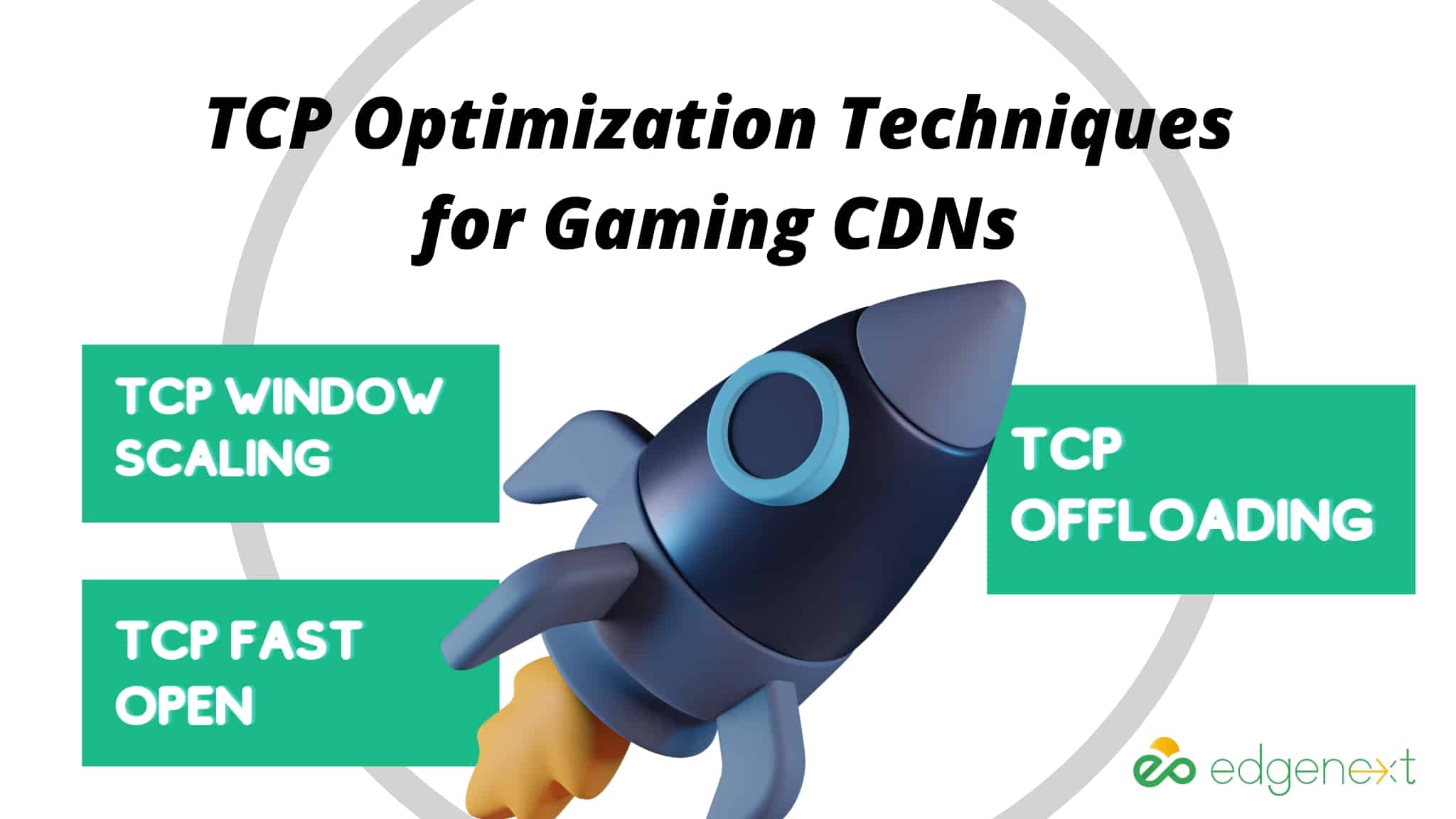
- TCP Window Scaling
- TCP Fast Open
- TCP Offloading
I. Introduction
Gaming CDNs are increasingly becoming the go-to platform for delivering gamers an interactive, immersive experience. However, for a gaming CDN to provide high performance and reliability, it must be optimized to cope with latency, packet loss, and congestion. This blog post will discuss how TCP optimization can help improve gaming CDN performance by reducing latency and increasing throughput. We'll explain what TCP is and how it works, describe various TCP optimization techniques that can be used in gaming CDNs, and explore some best practices for optimizing TCP in gaming CDNs.II. Understanding TCP and its Role in Gaming CDNs
TCP (Transmission Control Protocol) is one of the Internet's core protocols that allows two computers to communicate with each other. It provides a reliable, connection-oriented service in which data is transferred in segments that are acknowledged by the receiver. This ensures that any lost or corrupted packets will be retransmitted, which helps maintain an acceptable quality of service (QoS). In gaming CDNs, TCP plays a significant role in transmitting data between the client and server while also attempting to mitigate issues like latency, packet loss, and congestion.
III. TCP Optimization Techniques for Gaming CDNs
There are various techniques available for optimizing TCP performance. One such technique uses different congestion control algorithms such as CUBIC, BBR, or TCP Vegas to help mitigate network congestion. These algorithms can adjust the rate at which data is transmitted based on the current network conditions, thereby improving the performance of gaming CDNs. Additionally, increasing the TCP window size can improve throughput and reduce latency. Another technique to reduce latency is TCP Fast Open, where data is transmitted before the three-way handshake is completed. Finally, offloading TCP processing to NICs or hardware can further reduce CPU overhead.- TCP Window Scaling: Explain how increasing the TCP window size can improve throughput and reduce latency.
- TCP Fast Open: Explain how TCP Fast Open can reduce latency by allowing data to be transmitted before the three-way handshake is completed.
- TCP Offloading: Explain how offloading TCP processing to network interface controllers (NICs) or hardware can improve performance by reducing CPU overhead.