

You should strongly consider using a Web Application Firewall (WAF) for your website. A WAF helps protect against malicious attacks such as cross-site scripting, SQL injection, and other threats to your website. It also helps filter out suspicious traffic to reduce the risk of vulnerabilities and data breaches. With a WAF in place, you can rest assured that your website is protected from unwanted intrusions. With many solutions available today, finding an effective WAF solution that meets your needs is easier than ever. Investing in a reliable WAF is an essential step towards upholding the security of your website.
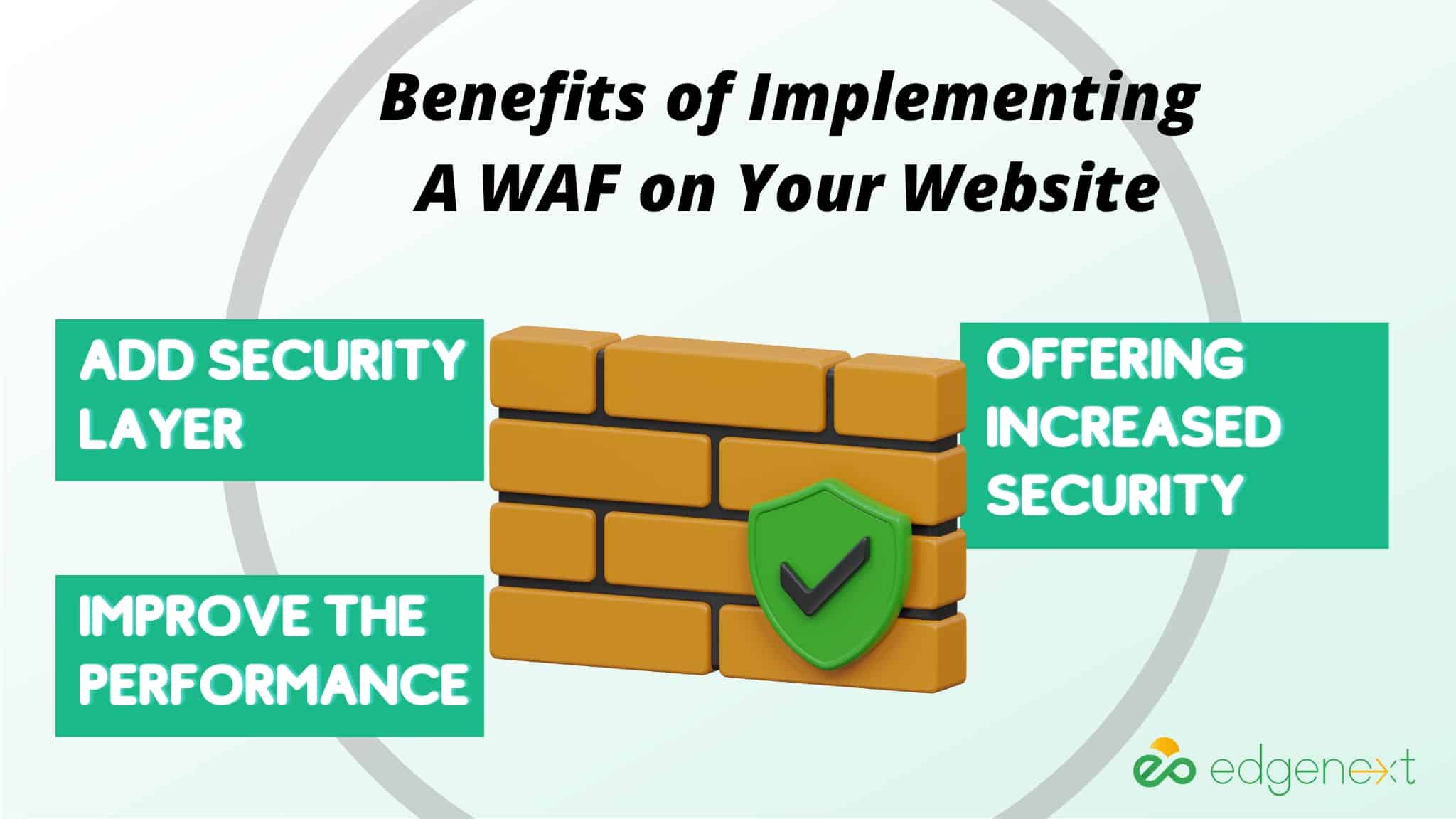 The primary benefit of implementing a WAF on your website is its added security layer. A well-configured WAF can help protect your site from malicious attacks, such as SQL injections and cross-site scripting (XSS), which could otherwise result in data breaches or other cyber threats.
In addition to offering increased security, a WAF can also improve the performance of your website by filtering out malicious traffic that could otherwise slow down your server. This is especially beneficial for sites with high traffic volumes or those hosted in the cloud.
The primary benefit of implementing a WAF on your website is its added security layer. A well-configured WAF can help protect your site from malicious attacks, such as SQL injections and cross-site scripting (XSS), which could otherwise result in data breaches or other cyber threats.
In addition to offering increased security, a WAF can also improve the performance of your website by filtering out malicious traffic that could otherwise slow down your server. This is especially beneficial for sites with high traffic volumes or those hosted in the cloud.
I. Introduction
-
What is a Web Application Firewall (WAF)
-
Why Do I Need a WAF for My Website?
-
Overview of the Benefits of Implementing a WAF on Your Website
II. How Does It Work?
-
Types of WAFs Available
-
General Steps to Implementing a WAF on Your Website
III. Conclusion – Is Getting a WAF Necessary for My Site?
-
Pros and Cons of Implementing a WAF for Your Website
-
Final Thoughts on Whether or Not You Should Invest in a WAF for Your Website
-
Summary and Recommendations for Next Steps
-
Introduction
I. Introduction
What is a Web Application Firewall (WAF)
Web Application Firewalls (WAFs) are a form of security designed to protect websites from malicious attacks and vulnerabilities. They monitor incoming and outgoing traffic for suspicious activity and can be used to help detect and prevent malicious code, such as SQL injections and other exploits. When implemented correctly, WAFs provide an additional layer of security for your website and can help reduce the risk of data breaches or other cyber threats. But do you need a WAF for your website? In this blog post, we’ll discuss the benefits of implementing a WAF on your site, how it works, and whether or not it is necessary for your particular circumstances.Why Do I Need a WAF for My Website?
A WAF typically monitors the traffic that enters and leaves your website. It can detect suspicious activity, such as SQL injections and other exploits, and alert you if it finds anything out of the ordinary. Some WAFs are deployed as software on your server, while others are hosted services provided by third-party providers. When selecting a WAF for your website, you should consider the security measures it offers, such as a firewall that blocks malicious attacks or an intrusion prevention system (IPS) that monitors traffic for unusual behavior. It would be best if you also examined its policies to ensure that it is up to date with the latest security threats and vulnerabilities.Overview of Benefits of Implementing A WAF on Your Website
The primary benefit of implementing a WAF on your website is its added security layer. A well-configured WAF can help protect your site from malicious attacks, such as SQL injections and cross-site scripting (XSS), which could otherwise result in data breaches or other cyber threats.
In addition to offering increased security, a WAF can also improve the performance of your website by filtering out malicious traffic that could otherwise slow down your server. This is especially beneficial for sites with high traffic volumes or those hosted in the cloud.
II. How Does WAF Work?
Types of WAFs Available The types of WAFs available vary depending on the needs and budget of your organization. Cloud-based WAFs offer an easy solution that can be quickly deployed and managed from a centralized dashboard. At the same time, hardware or virtual appliances are better suited for larger organizations with more complex security requirements. Some WAFs focus only on web application protection, while others may provide additional features such as DDoS protection, data loss prevention (DLP), or intrusion detection systems (IDS). It’s crucial to understand the different functions a WAF offers to select one that is most appropriate for your website’s needs. In addition to the type of WAF you choose, there are other factors to consider, such as ease of use, features offered, pricing structure, and customer support. Doing your research before selecting a WAF to ensure you get the best protection for your website.General Steps to Implementing a WAF on Your Website
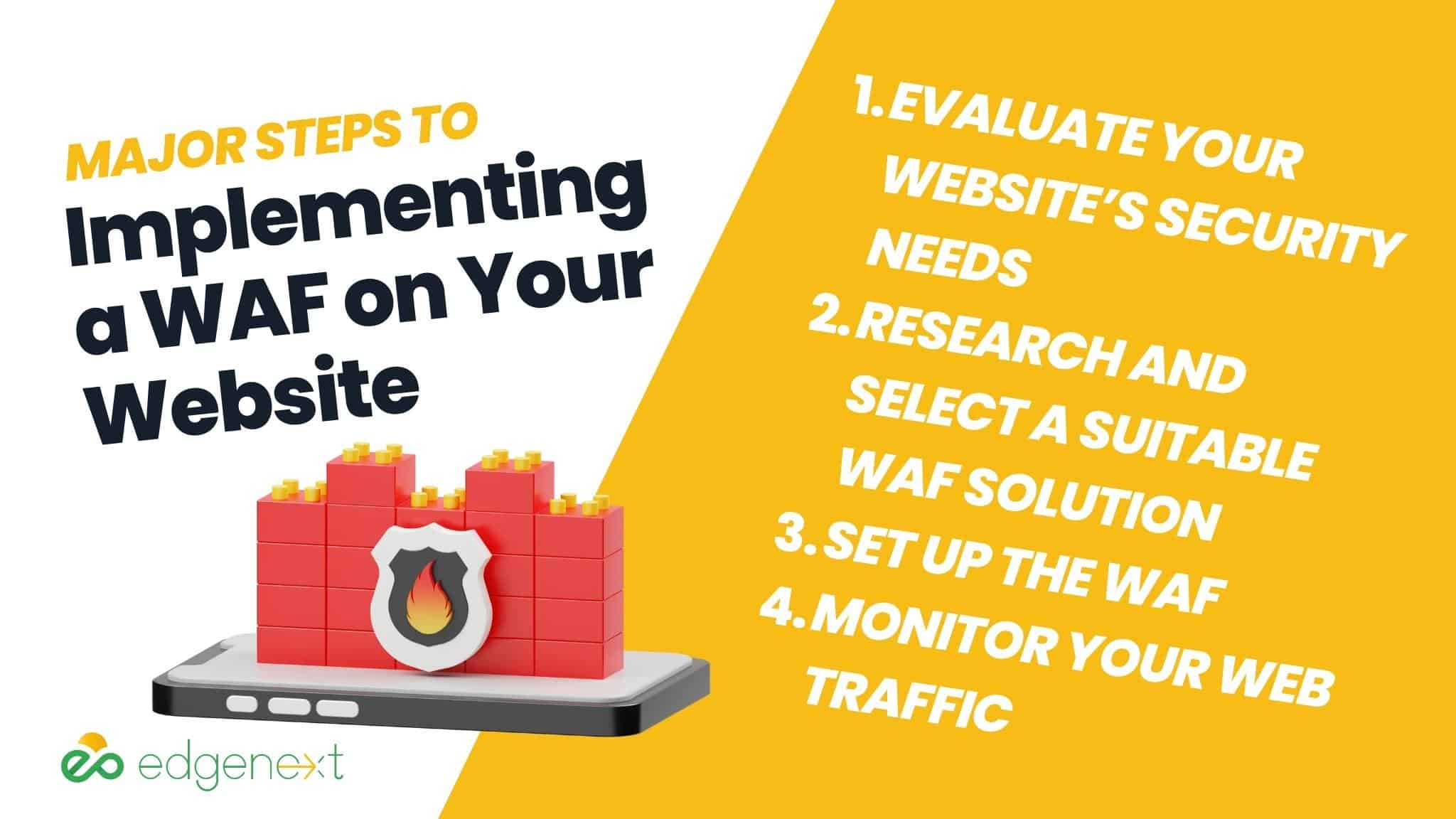
Implementing a WAF on your website is relatively straightforward and can be done in four simple steps:- Evaluate Your Website’s Security Needs: The first step is to evaluate the security of your website to understand which type of WAF would best suit your needs. Consider factors such as the types of attacks you need protection from, the size of your site, and whether or not you will require cloud-hosted or hardware solutions.
- Research and Select a Suitable WAF Solution: Once you have identified your security needs, it’s time to research and select an appropriate WAF solution. Compare different products and providers to ensure they offer all the features you require at a reasonable price.
- Set Up the WAF: Once you’ve chosen a WAF solution, it’s time to set up the system on your website. Many providers offer easy-to-follow setup instructions and guides to help you get up and running quickly.
- Monitor Your Web Traffic: After setting up your WAF, monitor your web traffic regularly to ensure it is correctly configured and performing as expected. This will help you identify any suspicious activity or malicious attacks in real time so they can be addressed quickly and efficiently.